
Types of Cracks in Walls: What They Mean and When to Worry
At Damax Design Solutions, we’ve helped countless property owners across the UK
Common Issue Faced By Many Homeowners
Cracks in the walls are a common issue faced by many homeowners. While some may be purely cosmetic, others can point to more serious structural issues. Understanding the different types of cracks in walls is key to identifying whether they are harmless or a sign of something more serious like foundation movement or poor construction practices.
At Damax Design Solutions, we’ve helped countless property owners across the UK assess and repair cracks, ensuring peace of mind and long-term safety. In this guide, we explain the most common wall cracks, what they mean, and what action you should take.
Hairline Cracks
Hairline cracks are very thin and shallow, often appearing in the plaster layer of internal walls. These cracks are usually caused by natural settling of the building, changes in temperature, or minor drying of materials. While they can be unsightly, hairline cracks are typically not a cause for concern.
However, if these cracks begin to widen over time or are accompanied by other signs of structural movement, it’s worth having them assessed by a professional.
Vertical Cracks
Horizontal Cracks
Horizontal cracks are more serious and often suggest significant structural problems. These cracks may appear due to pressure from soil pushing against the wall or foundation movement. Horizontal cracks can be particularly concerning if they are found in basement or retaining walls.
Ignoring them can lead to bowing or even collapse in severe cases. If you notice a wall crack running horizontally, contact a structural engineer immediately to assess the situation.
Diagonal Cracks
Diagonal cracks usually appear at a 45-degree angle and often begin near door frames or windows. These types of cracks often result from differential settling or uneven foundation movement. In some cases, poor construction practices can also be the cause.
Diagonal cracks can be a sign of structural movement and should not be ignored. While they may start as small cracks, they can worsen over time if left unchecked.
Stair Step Cracks
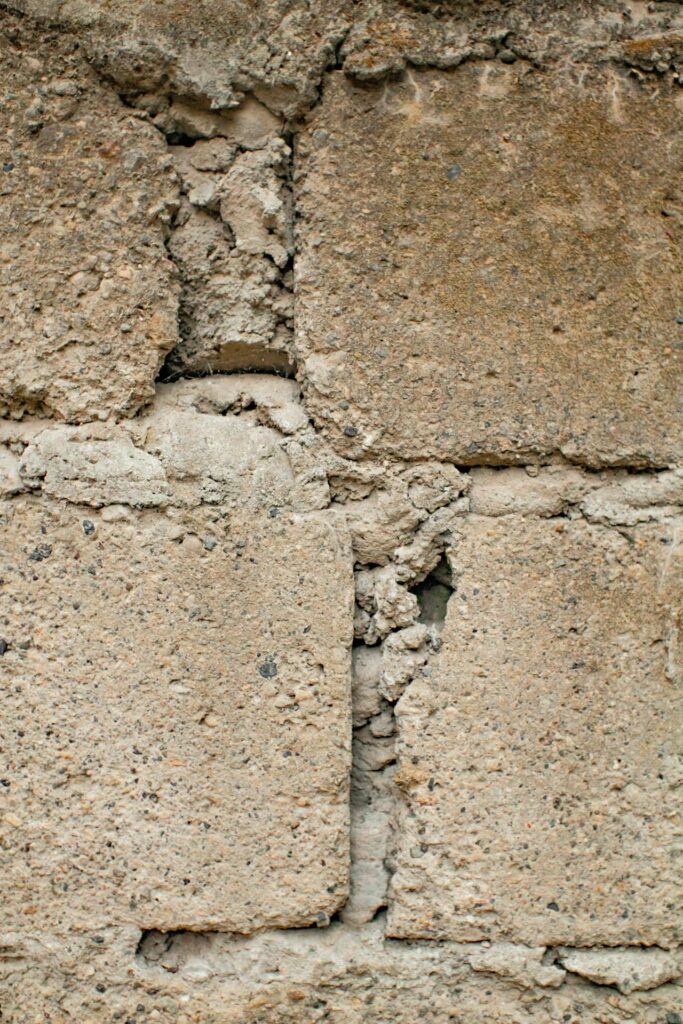
Stair step cracks follow the lines of mortar joints in brick or block walls, forming a pattern that resembles steps. These cracks are a red flag, particularly when they appear in load-bearing walls or external walls. They are often caused by foundation movement or settling of the building.
Because they suggest that the wall is shifting, stair step cracks require immediate attention and often signal the need for structural reinforcement or foundation repair.
Cracks in Plaster Walls
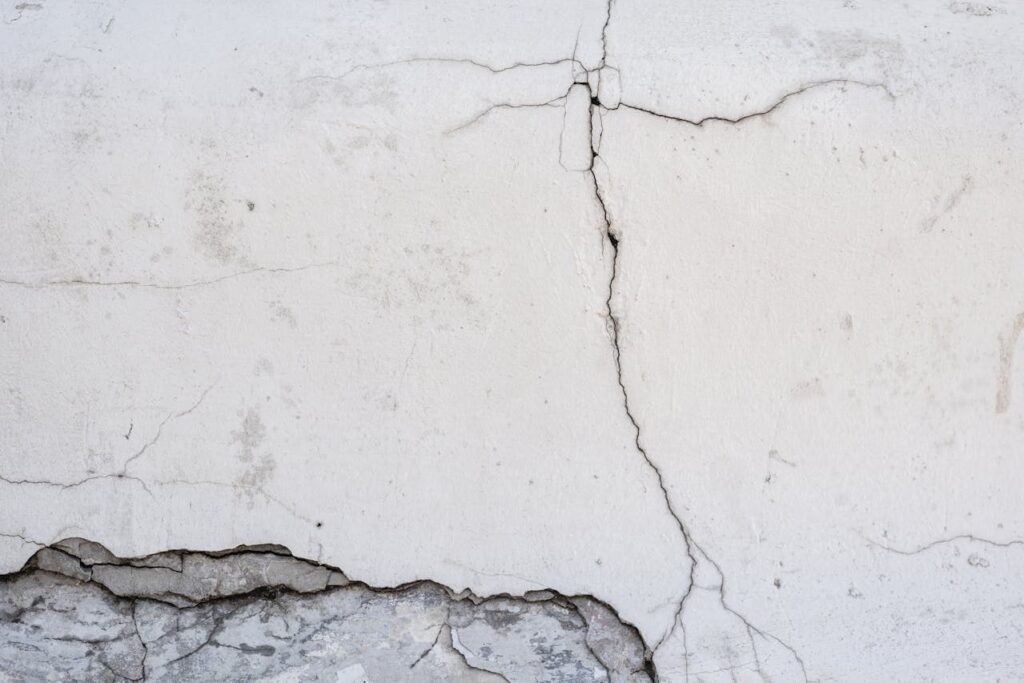
Cracks in plaster walls can occur due to a range of factors such as natural settling, seasonal changes in humidity, or vibration from nearby traffic or construction. While many of these are cosmetic, recurring cracks in plaster walls could indicate an underlying issue.
If plaster cracks are accompanied by uneven floors, sticking doors, or visible structural movement, a full structural inspection should be carried out.
Cracks in your walls can develop for many reasons, and understanding the cause is key to determining how to fix them. Common causes include:
• Natural settling: All buildings settle over time, which can cause minor cracks.
• Foundation movement: Changes in soil moisture levels or subsidence can lead to more serious structural cracks.
• Poor construction practices: Inadequate materials or shortcuts during construction can result in structural failure.
• Weather changes: Extreme temperature fluctuations can cause materials to expand and contract, leading to cracks.
• Structural movement: This may involve issues like ground heave or changes in the water table affecting the foundation.
When Should You Be Concerned?
While some cracks are nothing to worry about, others signal bigger problems. Warning signs that a wall crack could be serious include:
• Cracks wider than 5mm
• Cracks that run both horizontally and vertically
• Cracks near door frames and windows that spread
• Cracks in external walls, especially stair step cracks
• Water ingress through cracked areas
If any of these apply, don’t wait. A qualified structural engineer from Damax Design Solutions can assess the situation and advise on the best way forward.
What to Do if You Spot Wall Cracks
If you notice new or growing cracks, document their size and location with photos. Monitor changes over time. While some cracks may be easily repaired, it’s important not to guess. Reach out to professionals for peace of mind.
At Damax Design Solutions, we provide comprehensive structural assessments to identify the type and cause of wall cracks. Our experienced team can advise you on the next steps, whether that’s minor cosmetic repair or structural reinforcement.
Repairing Wall Cracks
Once the cause has been identified, we can help repair cracks using the most appropriate method. Solutions may include:
• Re-plastering or cosmetic filling for hairline or superficial cracks
• Crack stitching or wall ties for stair step or diagonal cracks
• Foundation reinforcement for more severe structural movement
• Monitoring over time for ongoing structural assessment
Final Thoughts
Wall cracks are common in most properties, but they shouldn’t be ignored. Some are simply a part of natural settling, while others point to deeper structural issues that require professional attention. By understanding the types of cracks in walls from vertical cracks to stair step patterns you can take the right action and avoid costly repairs in the future.
At Damax Design Solutions, we’re here to help you assess, repair, and protect your home from long-term damage. If you’ve noticed wall cracks or have concerns about structural integrity, contact us today for a full inspection.
Final Thoughts on Cracks in Internal Walls
Cracks are part of a building’s life, especially as it ages or adapts to seasonal conditions. But while some cracks are harmless, others can be early signs of deeper structural problems. Recognising which is which can save you stress, time, and money.
At Damax Design Solutions, we understand how worrying it can be to spot cracks in your home. That’s why we’re here to help — from initial surveys and assessments to planning repair work and managing your project. Whether you’re facing signs of subsidence, vertical cracks, or ongoing internal wall movement, trust us to provide clear, expert advice.
Need a professional opinion on internal wall cracks? Contact Damax Design Solutions today to book your survey and get peace of mind with our expert structural insight.