
Keeping Your Home in Good Shape
Plaster cracking on walls is something many homeowners notice over time. While some cracks are minor and nothing to worry about, others can point to deeper issues such as structural movement or structural damage. Understanding the types of cracks, their causes, and how to fix them is essential to keeping your home in good shape.
At DAMAX Design Solutions, we help homeowners assess and repair cracks in plaster walls, ensuring both safety and long-term durability. Whether you’re dealing with a small crack or more serious structural issues, here’s what you need to know.
Why Does Plaster Crack?
Plaster can crack for several reasons. Some cracks are caused by natural settling of the property, changes in temperature or humidity, or poor initial plaster application. In other cases, cracks are signs of structural integrity concerns, such as foundation issues or structural movement within the property.
Cracks can appear in walls or ceilings, especially around door frames and windows where pressure tends to build up. If you notice diagonal cracks, long horizontal lines, or wide gaps forming, it’s important to investigate further to rule out structural damage.

Types of Cracks in Plaster Walls
Not all wall cracks are equal. Here are some of the most common types of cracks found in plaster walls:
• Hairline cracks: Thin and surface-level, usually due to drying shrinkage or temperature changes.
• Vertical cracks: Often found near door frames or windows and may indicate structural stress.
• Diagonal cracks: Typically more concerning, especially if they extend from corners, as they may relate to foundation movement.
• Cracks in plaster near the ceiling: These may suggest roof load issues or loose plaster pulling away.
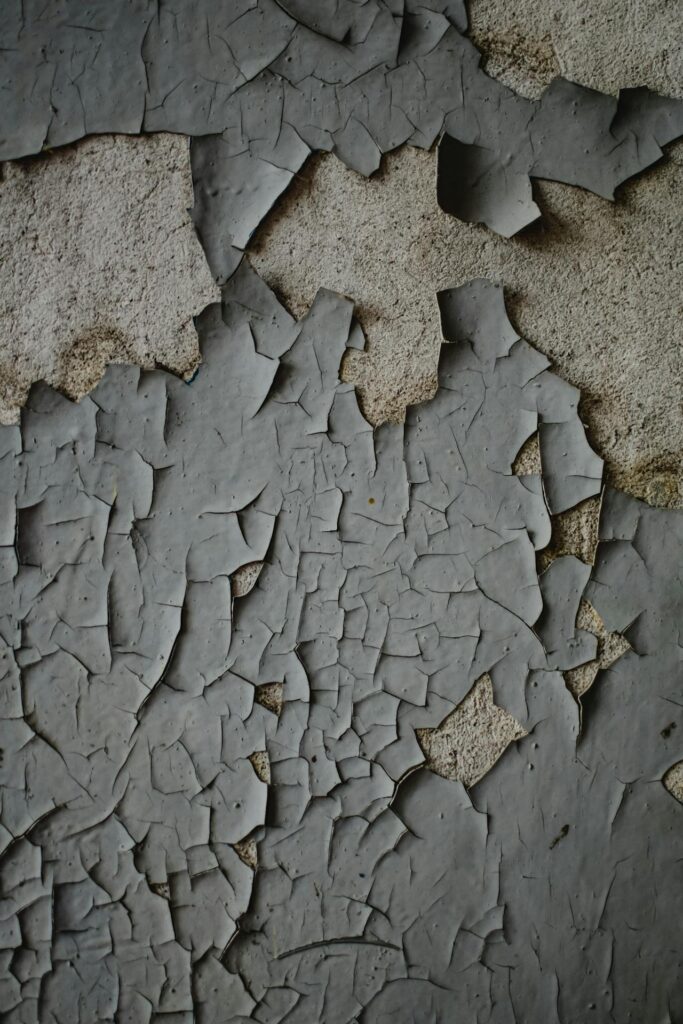
• Loose plaster and flaking: May occur with older homes or where moisture is present.
If you’re unsure which type you’re dealing with, it’s best to consult a professional like Damax Design Solutions to evaluate whether it’s cosmetic or structural.
When to Worry About Cracks
Some wall cracks are nothing more than superficial marks from drying plaster or seasonal changes. Others can signal bigger problems. Here are signs that you should take seriously:
• Cracks wider than 5mm
• Cracks that keep growing
• Multiple diagonal cracks spreading from the same area
• Cracks accompanied by doors sticking or sloping floors
• Gaps appearing near door frames
These could be indicators of structural damage or deeper structural issues that may require the help of a structural engineer.

How to Repair Cracks in Plaster Walls
Fixing cracks in plaster depends on the size, cause, and severity. For basic cosmetic fixes, you can handle them with a few DIY tools. Here’s how to repair simple hairline cracks:
1. Score the Crack
Use a Stanley knife to carefully open the crack slightly. This helps the filler bond more effectively.
2. Clean the Area
Remove any dust or loose plaster around the crack to ensure a clean surface.
3. Apply Compound Over the Crack
Use a filler or plaster repair compound and smooth it over the crack using a putty knife.
4. Sand the Area
Once the compound is dry, sand the area to blend it in with the wall.
5. Repaint
Finish by repainting the repaired area for a seamless finish.
For cracks larger than 5mm, especially cracks in your walls that keep coming back, you may need reinforcement or even structural repair. If you notice repeated cracking, it’s best not to ignore it.
The Importance of Consulting a Professional
While minor cracks can often be fixed yourself, deeper or repeated cracks might be tied to structural movement or foundation shifts. In these cases, a structural engineer should inspect the issue to ensure it isn’t part of a larger problem.
At DAMAX Design Solutions, we don’t just repair cracks—we identify the root cause, whether that’s poor construction, ground movement, or wear and tear. Our experts can provide a clear diagnosis and long-term solutions.
Preventing Future Cracks
To minimise future wall crack issues:
• Ensure proper ventilation to prevent moisture buildup
• Monitor areas near door frames and ceilings
• Avoid heavy loads on weak sections of plaster walls
• Conduct regular visual checks for changes
When working on renovation projects, our team also helps reduce risks by applying high-quality materials and reinforcing vulnerable areas from the start.
Cracks in Walls? Don’t Worry—We Can Help
If you’re noticing cracks in the walls of your home and don’t know whether to worry about cracks or not, Damax Design Solutions is here to help. We offer clear advice and dependable repair services.
From hairline cracks to more severe cases of structural movement, we offer expert help tailored to your home. Whether you need a quick fix or a full structural review, we can guide you through every step.
Why Choose DAMAX Design Solutions?
• Experience with all types of cracks: From small cracks to large structural faults.
• Consultations with structural engineers: We work closely with experts to ensure safety and reliability.
• Tailored support: Every home is different, so we create a solution that fits your specific needs.
• Full-service repairs and restoration: From diagnosing to plastering and painting, we handle everything.
Get Peace of Mind Today
Don’t leave cracks in plaster to get worse over time. Contact DAMAX Design Solutions to inspect your property and carry out effective, lasting repairs. Whether it’s a small crack in a newly plastered wall or signs of structural damage, we’ll make sure your home stays strong, safe, and looking its best.
Repairing Wall Cracks
Once the cause has been identified, we can help repair cracks using the most appropriate method. Solutions may include:
• Re-plastering or cosmetic filling for hairline or superficial cracks
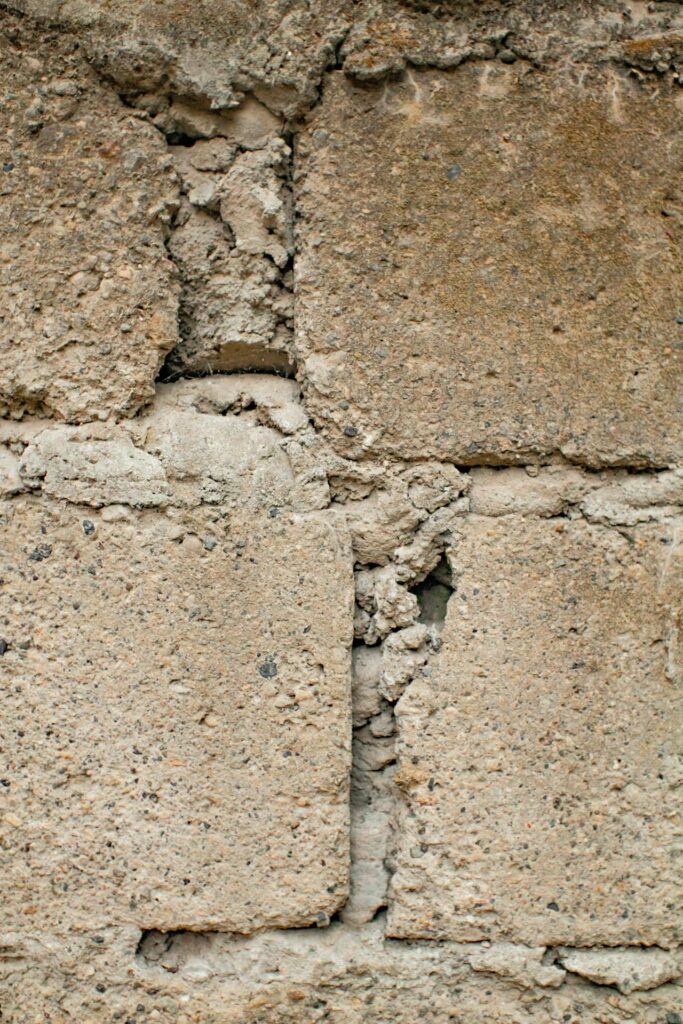
• Crack stitching or wall ties for stair step or diagonal cracks
• Foundation reinforcement for more severe structural movement
• Monitoring over time for ongoing structural assessment
Final Thoughts
Wall cracks are common in most properties, but they shouldn’t be ignored. Some are simply a part of natural settling, while others point to deeper structural issues that require professional attention. By understanding the types of cracks in walls from vertical cracks to stair step patterns you can take the right action and avoid costly repairs in the future.
At Damax Design Solutions, we’re here to help you assess, repair, and protect your home from long-term damage. If you’ve noticed wall cracks or have concerns about structural integrity, contact us today for a full inspection.
Final Thoughts on Cracks in Internal Walls
Cracks are part of a building’s life, especially as it ages or adapts to seasonal conditions. But while some cracks are harmless, others can be early signs of deeper structural problems. Recognising which is which can save you stress, time, and money.
At Damax Design Solutions, we understand how worrying it can be to spot cracks in your home. That’s why we’re here to help — from initial surveys and assessments to planning repair work and managing your project. Whether you’re facing signs of subsidence, vertical cracks, or ongoing internal wall movement, trust us to provide clear, expert advice.
Need a professional opinion on internal wall cracks? Contact Damax Design Solutions today to book your survey and get peace of mind with our expert structural insight.